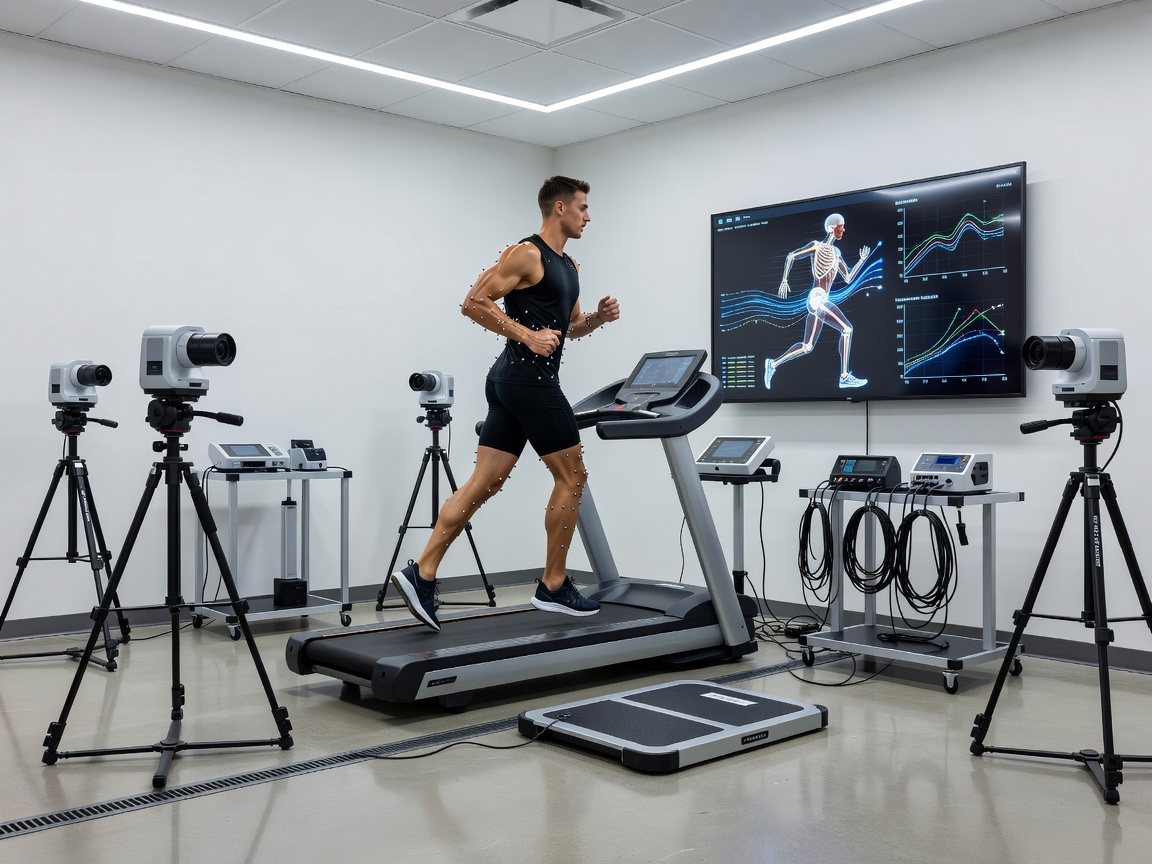
MOVEMENT MECHANICS
Sports Biomechanics Laboratories
How cameras, force platforms and careful protocols help researchers describe movement and loading.
Explore biomechanicsSPORTS SCIENCE / PERFORMANCE LABS
A clear, independent guide to the spaces, tools and methods used to study how people move, produce force and respond to exercise.
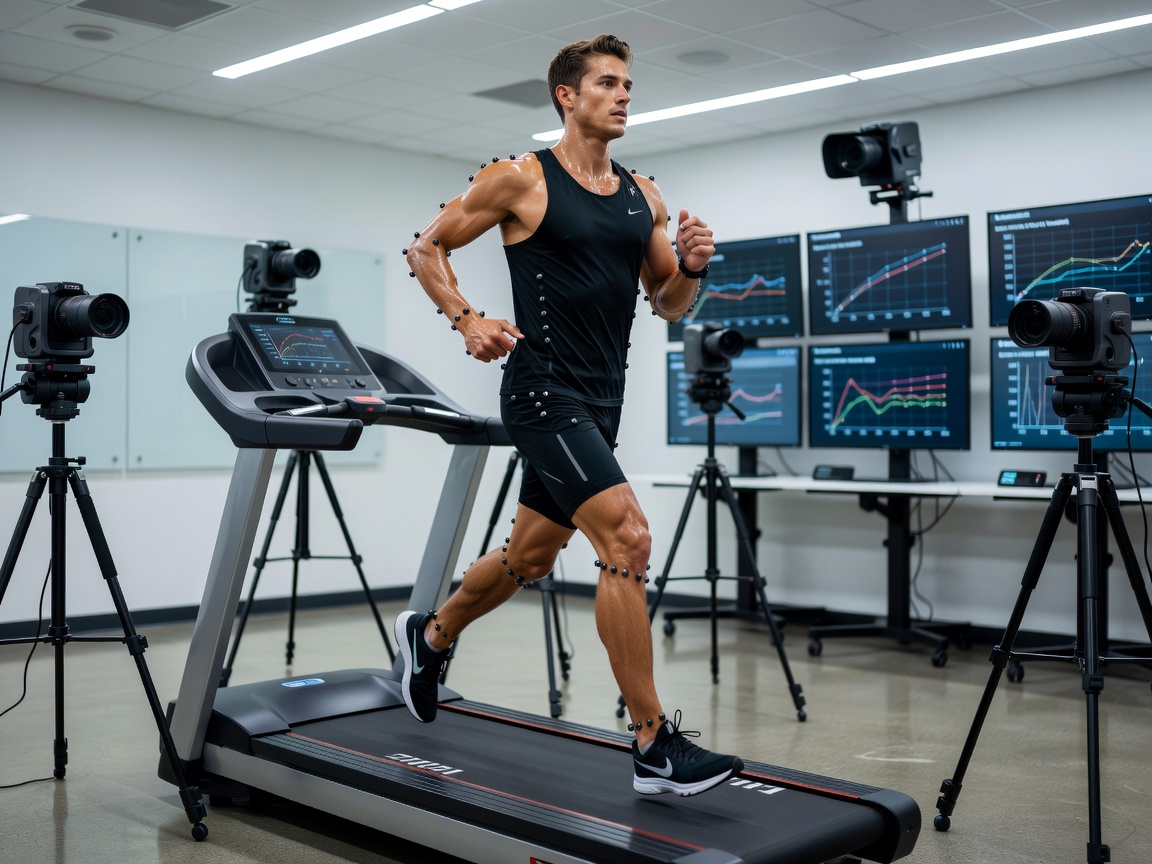
THE FIELD GUIDE
Start with a question, then follow the equipment and methods that can help investigate it.
MOVEMENT MECHANICS
How cameras, force platforms and careful protocols help researchers describe movement and loading.
Explore biomechanics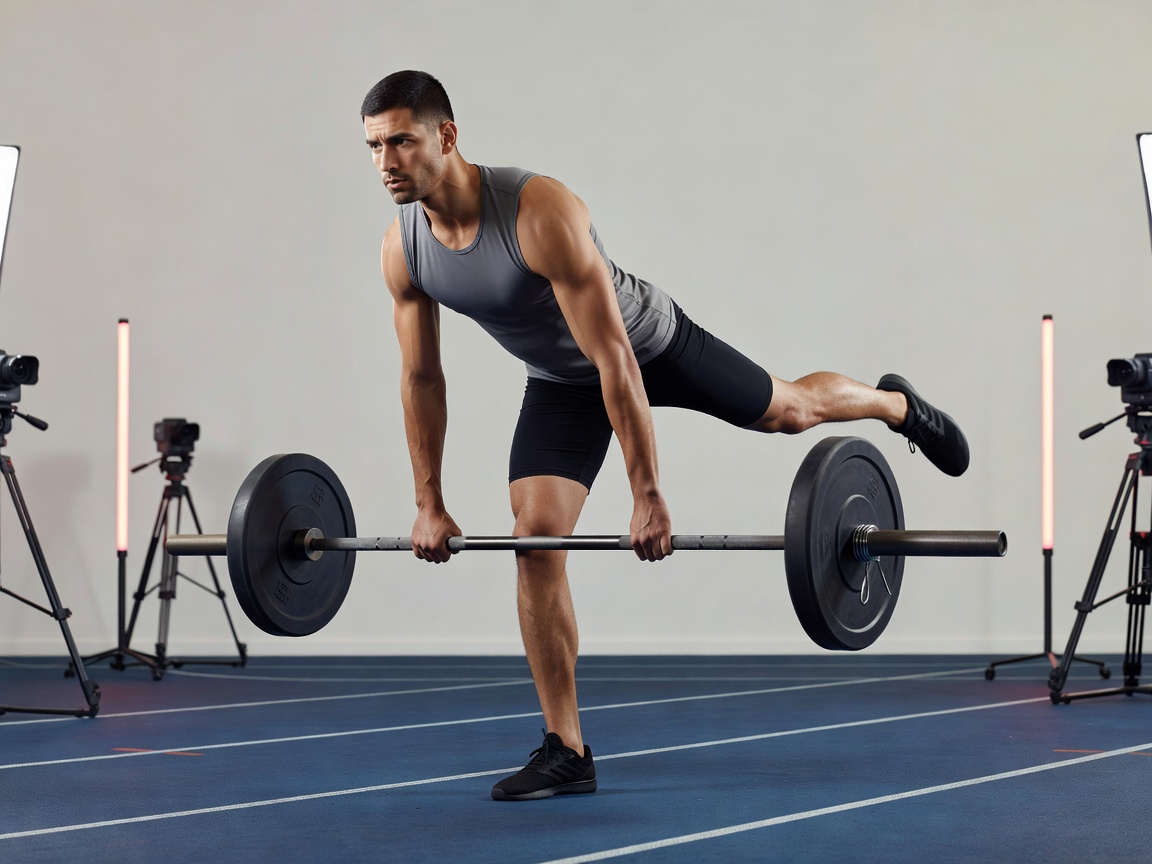
TRACKING & INTERPRETATION
See how recorded movement becomes a model—and why a model is not the whole story.
Follow the movement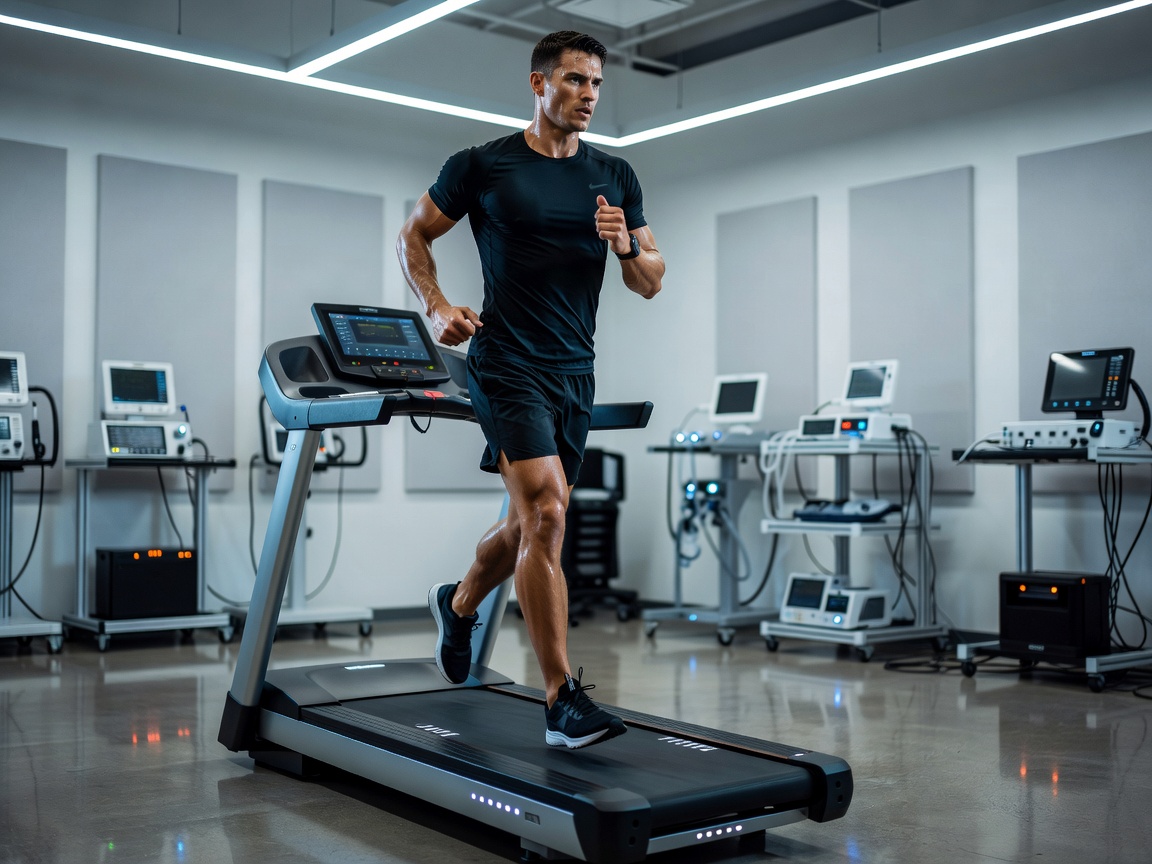
TOOLS & MEASUREMENT
A practical introduction to force plates, timing gates, dynamometers and wearable sensors.
Compare equipment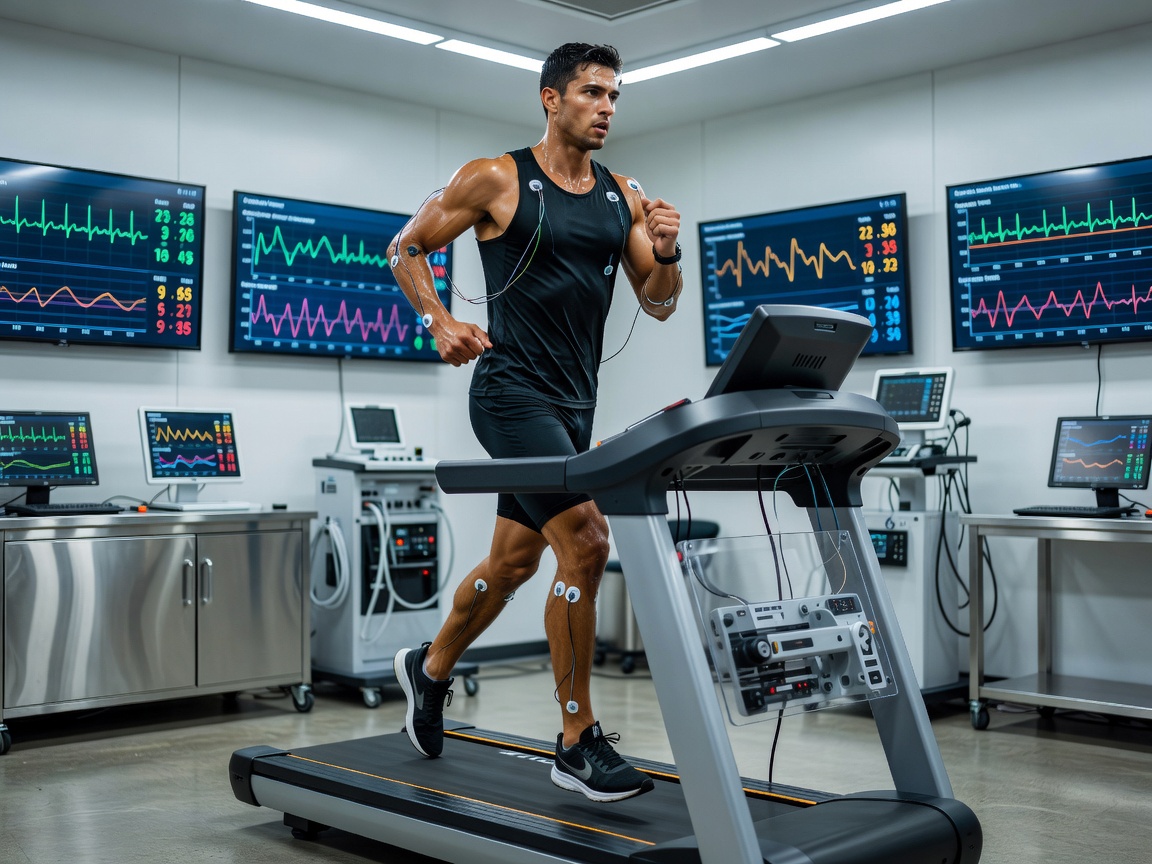
EXERCISE RESPONSE
Understand how exercise tests examine oxygen use, heart-rate responses and workload.
Explore physiology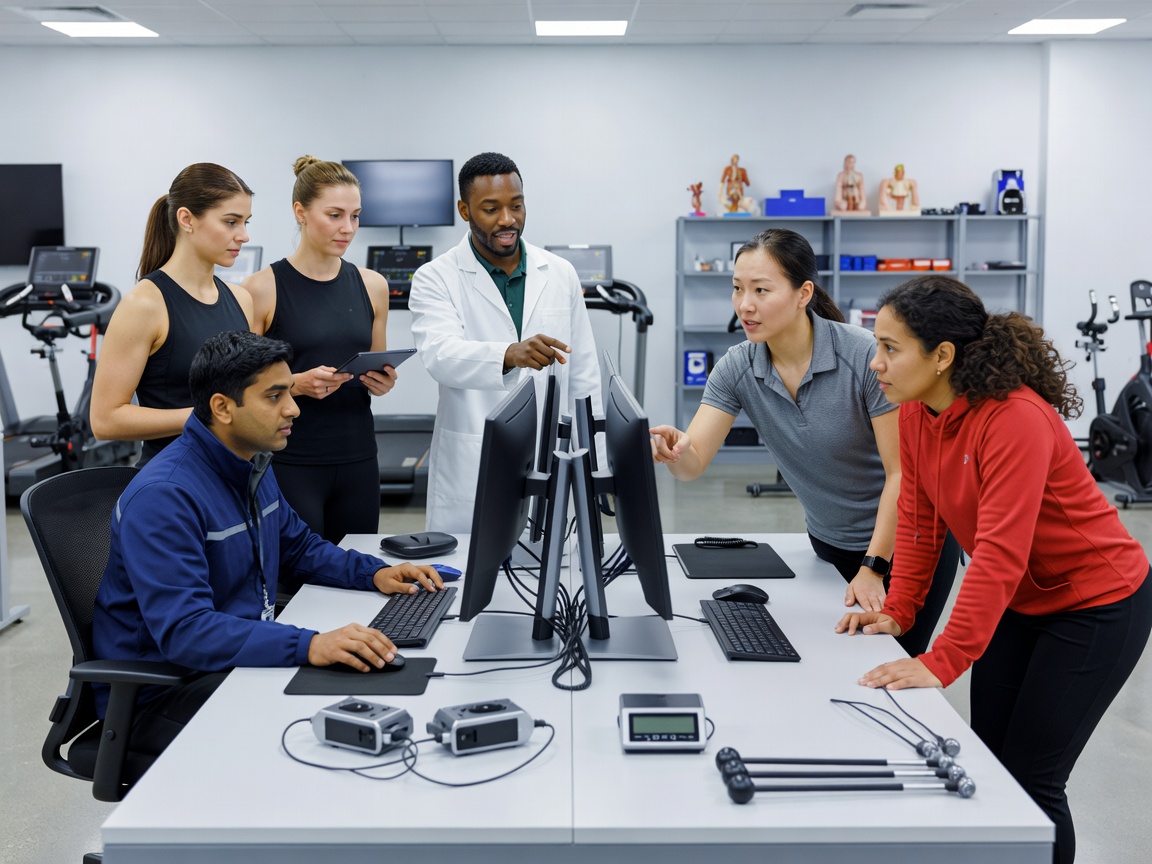
SPACES & COLLABORATION
How space planning, privacy and teamwork shape useful testing and research workflows.
Explore facilitiesA USEFUL STARTING POINT
A lab is not a magic room that answers every question. It’s a controlled place to ask better ones.
Define the movement or response worth understanding. A clear question keeps testing purposeful.
Record movement or exercise using a method suited to the task, participant and setting.
Collect the relevant signals—perhaps force, timing, body motion or physiological response.
Check data quality, apply a consistent approach and consider what the instruments can actually tell us.
Place findings beside context, experience and limitations. A number needs a sensible explanation.
Illustrative workflow, not a report of a particular study. Results depend on the equipment, protocol, participant and question.
CURIOUS ABOUT A SPECIFIC SETUP?