THE EDITORIAL INTRODUCTION
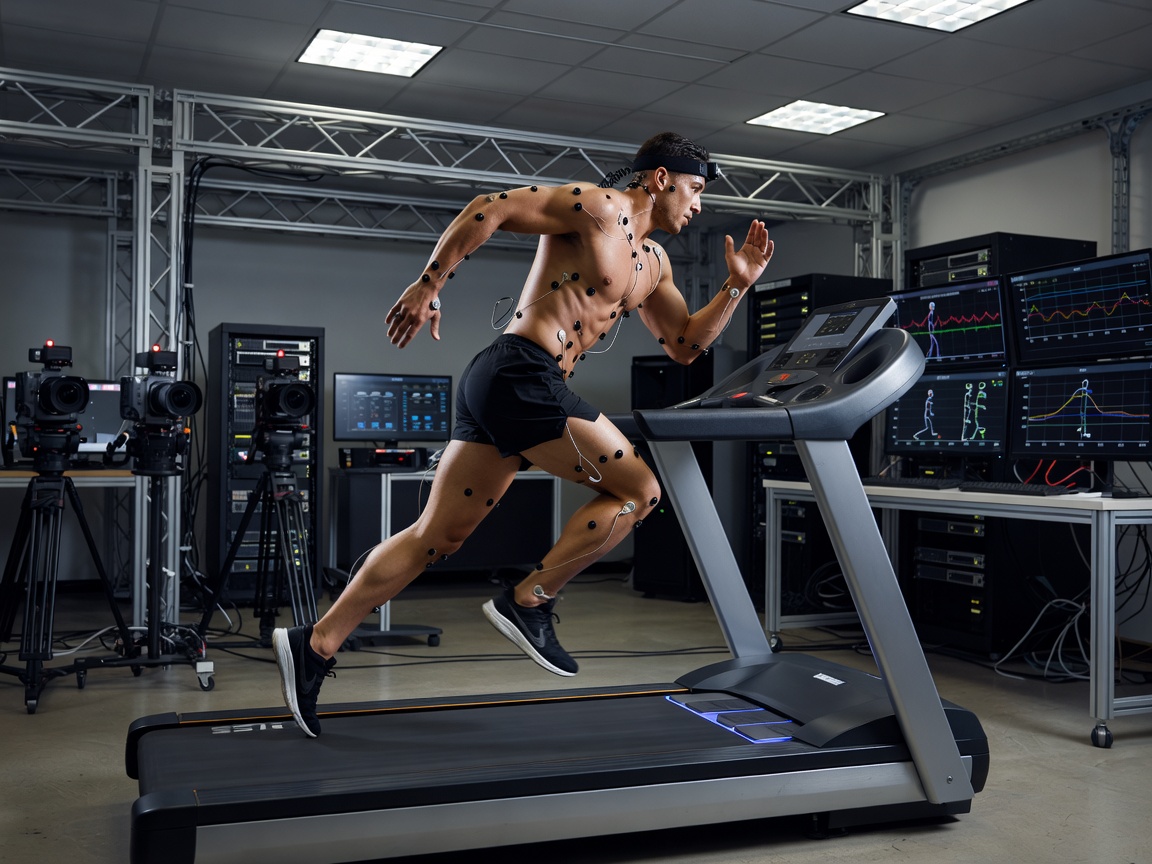
A sports science facility can be a single testing room, a shared research suite or a collection of connected spaces. Its design should reflect the activities it needs to support. A biomechanics study may need a clear movement area and camera positions; physiology testing may need appropriate exercise equipment and controlled access; data work may need quiet workstations and secure storage. The right plan begins with intended use.
Zones and workflow
Facility zoning separates activities that benefit from different conditions. Human movement areas need enough clear floor space for the planned tasks, safe access and room for equipment or observers. Force-measurement setups require suitable placement and a surface arrangement that supports the protocol. Physiology rooms may need exercise equipment, ventilation considerations and space for supervised testing. A preparation area can help participants receive instructions or change equipment without interrupting a session.
Workstations and analysis spaces support data review, documentation and discussion. Equipment storage matters too: sensors, cables and accessories need orderly handling so they remain available and protected. A smooth workflow considers how people and equipment move from preparation to testing, then to data processing. That simple route can prevent a room from turning into a very expensive obstacle course.
Multi-purpose or specialized rooms?
A multi-purpose laboratory can make efficient use of shared space and support a changing range of projects. Its flexibility depends on careful scheduling, portable equipment and repeatable setup. Reconfiguring a room takes time and may introduce variation between sessions. A specialized room can keep one protocol more consistent and reduce daily setup, but it may be less adaptable and require more dedicated resources.
The choice depends on the research programme, facility use, staff expertise and practical constraints. Teams should consider acoustics, lighting, flooring, power, connectivity, equipment access and environmental needs. This guide does not specify construction dimensions, budgets or compliance standards; those require qualified planning based on local requirements and actual project details.
Accessibility, privacy and safety
Accessibility should be considered from arrival through testing and exit. Routes, doors, seating, changing arrangements, instructions and the testing setup can affect who is able to participate comfortably. The facility plan should account for varied mobility and individual needs, with appropriate professional guidance where required.
Privacy deserves equal attention. Testing may involve body measurements, health information, video or personal performance records. Design can support discreet conversations, controlled access and secure equipment use, while data handling policies define who may view records and how they are stored. A room layout cannot replace information security practice, but it can make responsible practice easier to follow.
Safety planning should match the activities performed and equipment installed. Clear circulation, suitable supervision, documented procedures and appropriate maintenance all support safer work. Facility teams should follow applicable local requirements and seek qualified advice rather than relying on a generic online checklist.
Interdisciplinary research
Sports science questions often cross disciplinary lines. Biomechanics may describe movement and force; physiology may examine responses to exercise; coaching can explain the task’s practical demands; sports medicine professionals may contribute within their scope. Collaboration works best when people agree on the research question, definitions, participant communication, responsibilities and data-handling processes before testing begins.
Research documentation should make the work understandable and reproducible. Records may include equipment setup, calibration checks, protocol versions, participant instructions, environmental conditions, data processing decisions and deviations. Clear documentation makes it easier to interpret what happened when a result looks unexpected. It also helps future work distinguish a change in performance from a change in method.
Laboratory limits
A controlled facility can help organize a test, but it is not the sporting environment itself. Space, surface, atmosphere and task constraints may shape how participants move. Findings should be described within those boundaries, with field observation or other evidence used where the question requires broader context. A well-designed lab makes measurement practical; it does not make every finding universally transferable.
Good for
Thoughtful facility planning supports repeatable protocols, safe movement through testing, interdisciplinary discussion and responsible handling of research information.
What to know
- Plan around activities and workflows before selecting equipment.
- Multi-purpose and specialized rooms serve different operational needs.
- Accessibility, privacy and data security belong in early planning.
- Document setup and analysis decisions.
- Laboratory results remain bounded by the environment and protocol.