THE EDITORIAL INTRODUCTION
Motion capture is a family of methods for recording where parts of a body move over time. In sports science, it can help describe walking, running, sprinting, jumping and other actions. The method might use cameras, wearable sensors or video-based tracking. Each gives a view of movement shaped by its setup, assumptions and environment.
Optical systems and reflective markers
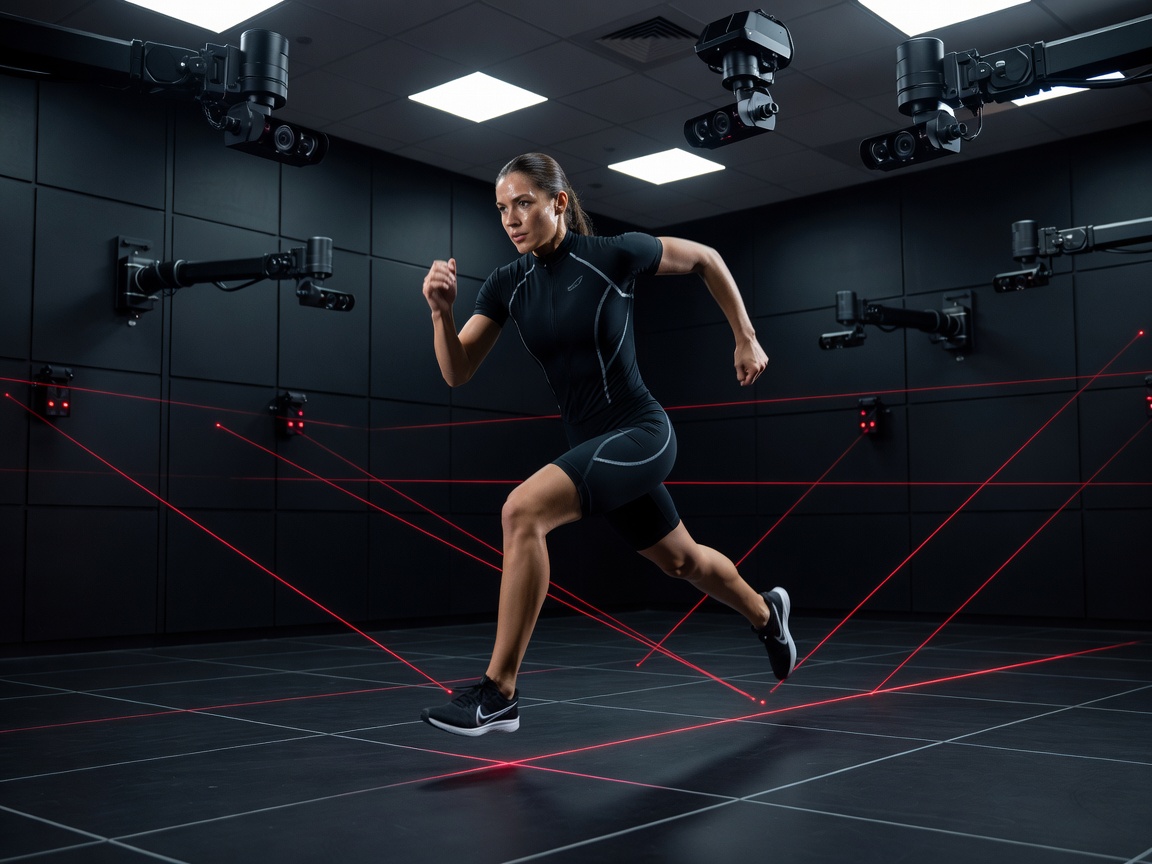
Marker-based optical capture typically uses multiple cameras to observe reflective markers placed at selected body landmarks. Before recording, a trained operator calibrates the capture volume so the system can relate camera views to a shared space. When the markers are visible from enough camera angles, software can reconstruct their paths in three dimensions. A model may then estimate body-segment or joint motion.
The setup can provide detailed information in a controlled studio, but it asks for preparation. Markers need consistent placement; clothing, occlusion and marker movement can complicate tracking; camera views must be arranged around the task. The participant may also need to wear close-fitting clothing. These considerations can influence movement freedom and the time needed to set up and process a session.
Markerless tracking
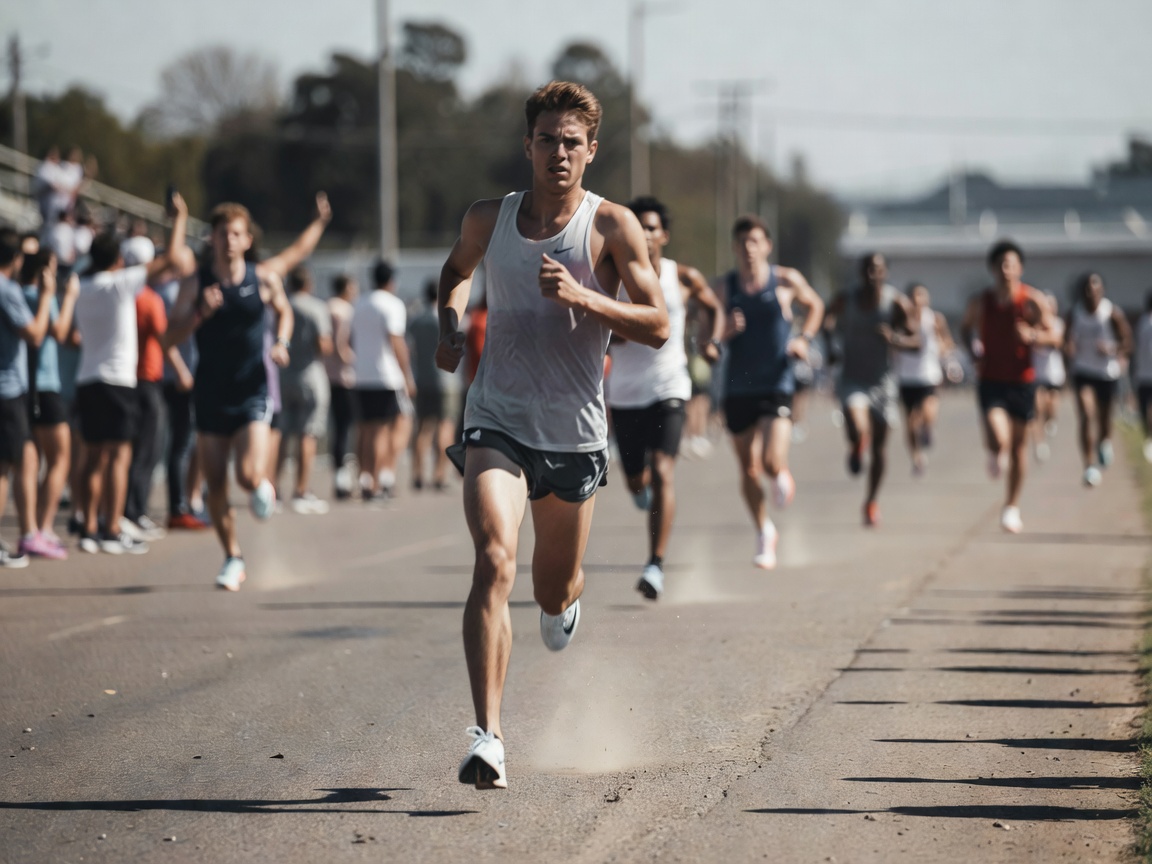
Markerless approaches use video and computer vision to estimate body landmarks without reflective markers. That can feel less intrusive and can allow more natural clothing or movement. It may also make it easier to examine recordings from a larger space. However, image quality, lighting, camera viewpoint, background, body overlap and the tracking model can influence what is detected. A markerless workflow still needs thoughtful setup and validation for its intended use.
Neither approach is automatically best for every sport or task. Marker-based capture may suit a carefully controlled study that needs a particular model and close camera coverage. Markerless methods may be practical when marker placement would interfere with the activity. In both cases, researchers should consider setup complexity, freedom of movement, processing demands, environmental requirements and the specific outcome they want to describe.
Gait, running and sprint analysis
Gait analysis describes patterns of walking or running, such as step timing, body position and repeated movement features. Sprint analysis can examine how motion changes across acceleration and faster running phases. Camera-based movement records may help identify timing and visible patterns, while motion reconstruction can turn tracked coordinates into an animated model. Visualizations make complex data easier to inspect, but attractive animation can make an estimate look more certain than it is.
Recording visible movement is different from measuring forces or identifying physiological causes. Video may show a limb moving through space; it does not, on its own, tell us the force acting at every joint, which tissues produced the movement, or why an athlete chose a particular strategy. Force platforms, physiological measures and contextual information may provide complementary evidence. They are separate measurements, not interchangeable labels.
Calibration, errors and interpretation
Calibration establishes the relationship between cameras, sensors and the area being measured. If equipment is moved, the setup may need to be checked again. Sources of error can include poor visibility, marker placement, reflections, sensor orientation, synchronization, camera perspective, filtering choices and assumptions in the movement model. Small differences in setup can become meaningful when researchers compare repeated sessions, so documenting the method matters.
Laboratory capture offers control over lighting, camera placement and task conditions. Field recording may better preserve the surface, space and pace of sport, but brings less predictable backgrounds, changing light and greater camera-placement challenges. A study may use both: controlled capture for detailed description and field observation for context. The question—not a preference for shiny equipment—should guide that decision.
Privacy when recording athletes
Movement recordings can identify people through faces, body features, clothing or the context of an event. Responsible projects should explain what is being recorded, why it is needed, who can access it, how long it will be retained and whether it could be shared. Consent, secure storage, access controls and appropriate de-identification should be considered in line with applicable rules and the participant group. This guide does not provide legal advice; research teams should follow their institution’s and jurisdiction’s requirements.
Good for
Movement capture can help describe visible kinematics, compare task conditions and support teaching or research when the method is carefully matched to the activity.
What to know
- Tracking records a model of movement; it does not explain every underlying force.
- Marker-based and markerless systems bring different practical compromises.
- Calibration, visibility and processing decisions shape the result.
- Recording people creates privacy responsibilities.
- Laboratory and field data answer related but not identical questions.