THE EDITORIAL INTRODUCTION
Exercise physiology examines how the body responds to physical activity. Sports performance testing applies selected measurements to a defined exercise task. Depending on the question, a test may look at oxygen use, heart-rate response, workload, perceived effort or recovery. No single measure represents the whole athlete, and a test result is not a medical diagnosis.
Oxygen use and VO₂
VO₂ describes the rate at which the body takes up and uses oxygen. During some supervised exercise tests, a participant breathes through a mask connected to gas-analysis equipment. The system samples inhaled and exhaled air so oxygen use can be estimated over the protocol. The mask and apparatus require suitable fitting, calibration and operator training; the measured signal depends on the equipment and procedures used.
A test protocol may increase workload in stages or hold it steady, depending on the research aim. Different protocols answer different questions, so results should not be compared casually across different equipment, settings or procedures. A displayed value is not a universal scorecard and should be interpreted with the participant, task and test conditions in view.
Heart rate, workload and lactate
Heart rate is one indicator of cardiovascular response. It changes with workload, temperature, hydration, stress, fatigue and individual variation. A heart-rate reading is useful information, but it is not a complete measure of internal effort or readiness. Workload may be described using external measures such as speed or power, or task-specific settings. The distinction matters: external output and the body’s response to it are related but not identical.
Lactate is produced and used as part of normal metabolism. In some testing contexts, a small blood sample is analysed to examine how measured lactate concentration changes across exercise stages. That concentration reflects a balance of production, use and transport; it is not a simple switch that explains fatigue or performance by itself. Sampling approach, timing and the protocol shape how results can be interpreted. This is an educational overview, not guidance for self-testing.
Test design and standardization
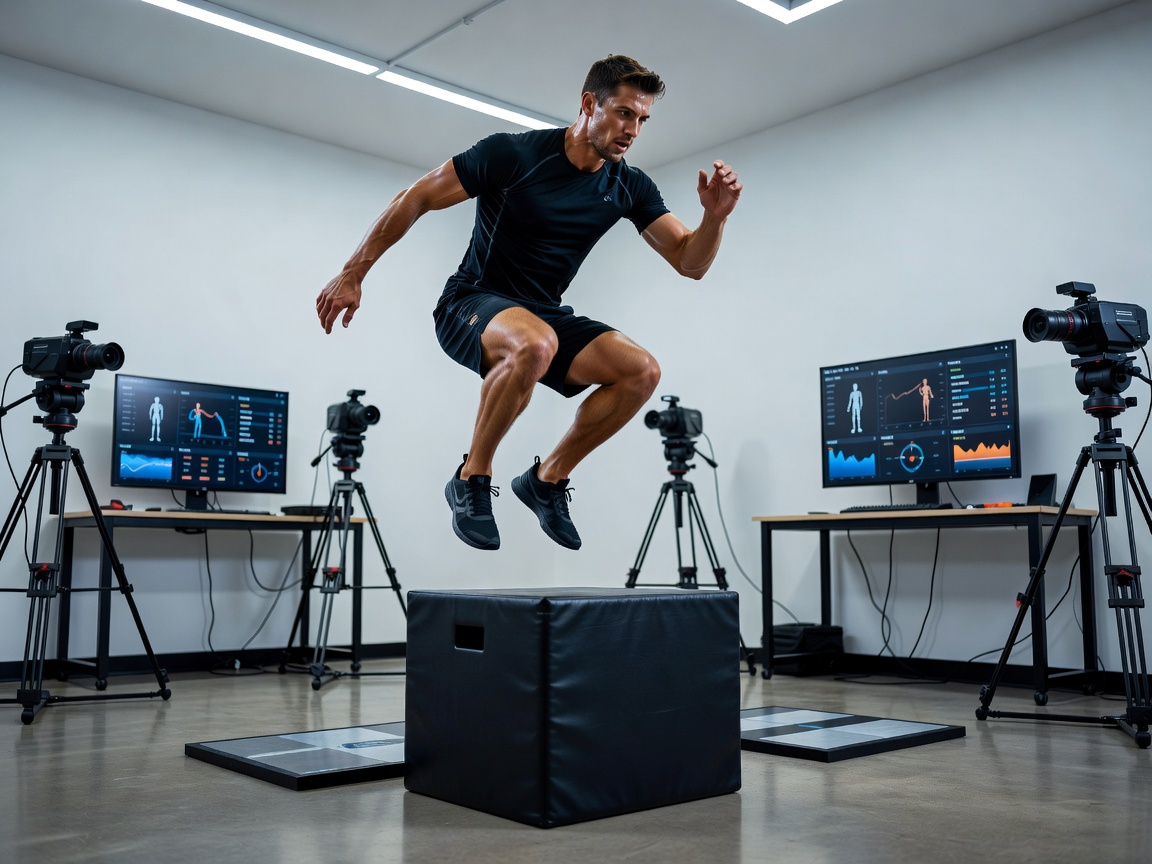
A suitable protocol depends on the sport, research question, participant and environment. A cycling assessment may use a different exercise mode from a running assessment. Equipment, familiarization, warm-up, instructions, stage duration, room conditions and recovery period all influence the test. Standardization means documenting and controlling relevant features so sessions can be interpreted more consistently—not pretending that every person responds in exactly the same way.
Environmental conditions matter. Heat, altitude, airflow, surface, noise and the participant’s recent activity may alter the testing experience or response. Researchers and practitioners should record relevant context rather than treating a laboratory value as though it were produced in a vacuum. It is a lab, not a snow globe.
Laboratory tests and field tests
Laboratory testing can provide controlled equipment and a stable environment for measurement. Field tests may better resemble the movement and setting of a sport, and can be easier to repeat during training. They also bring changing weather, surfaces, pacing and measurement conditions. A field estimate and a lab measurement may be useful for different reasons; one should not be described as a direct replacement for the other without evidence for the specific method and use.
Recovery monitoring is similarly contextual. Heart-rate or other observations after exercise can describe aspects of a response, but they do not establish a complete account of readiness. Consistent measurement, careful records and professional interpretation are more useful than reacting to a number in isolation.
Safety and qualified supervision
Exercise testing—especially demanding or maximal testing—should be planned and supervised by appropriately qualified professionals in a suitable setting. The participant’s needs, health information, equipment, emergency arrangements and test protocol all require consideration. This guide does not provide instructions for unsupervised maximal testing or clinical decisions. Anyone seeking an individual assessment should consult qualified professionals who can consider their circumstances.
Good for
Physiology testing can help describe selected exercise responses, compare controlled protocols and support a more informed discussion about workload and adaptation.
What to know
- VO₂ describes oxygen use; it does not summarize every dimension of performance.
- Heart rate and lactate need context, protocol and careful interpretation.
- Laboratory and field tests have different strengths and constraints.
- Test standardization and environmental records matter.
- Demanding assessments require qualified supervision.